Japanese government bond yields continued their ascent, with the 10-year yield hitting a 26-year high, on expectations for further rate increases by the Bank of Japan after the central bank raised its rate to the highest in three decades on Friday.
The 10-year yield rose 8.0 basis points to 2.100% on Monday, its highest level since February 1999.
The central bank raised its policy rate to 0.75%, the highest level since 1995, from 0.5% on Friday, reflecting policymakers’ growing confidence that inflation backed by wage growth is taking root in the economy.
BOJ officials raised their policy rate target in response to persistent inflation, a painful novelty for households in a country that battled flat or falling prices for decades.
Gov. Kazuo Ueda renewed his pledge on Friday to seek further rate increases if the economy and prices develop in line with the bank’s projections, saying the likelihood of achieving its outlook is increasing.
Monday’s rise in government bond yields was also partly due to expectations that the yen’s recent sharp depreciation may prompt the BOJ to raise rates more quickly than previously thought, analysts said.
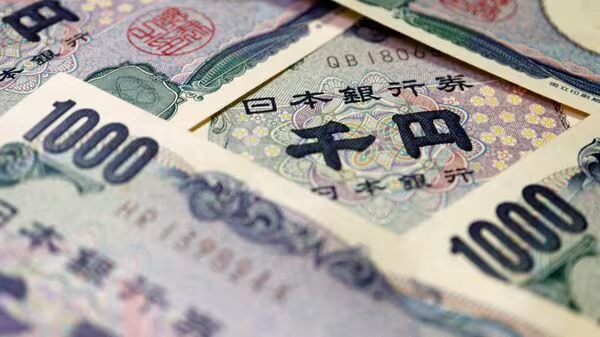
Despite the policy rate increase, the yen fell sharply to 157.78 to the dollar on Friday. The yen has rarely traded this weak since 1990, raising concerns among policymakers about higher prices of imported goods such as food and energy.













Leave a Reply